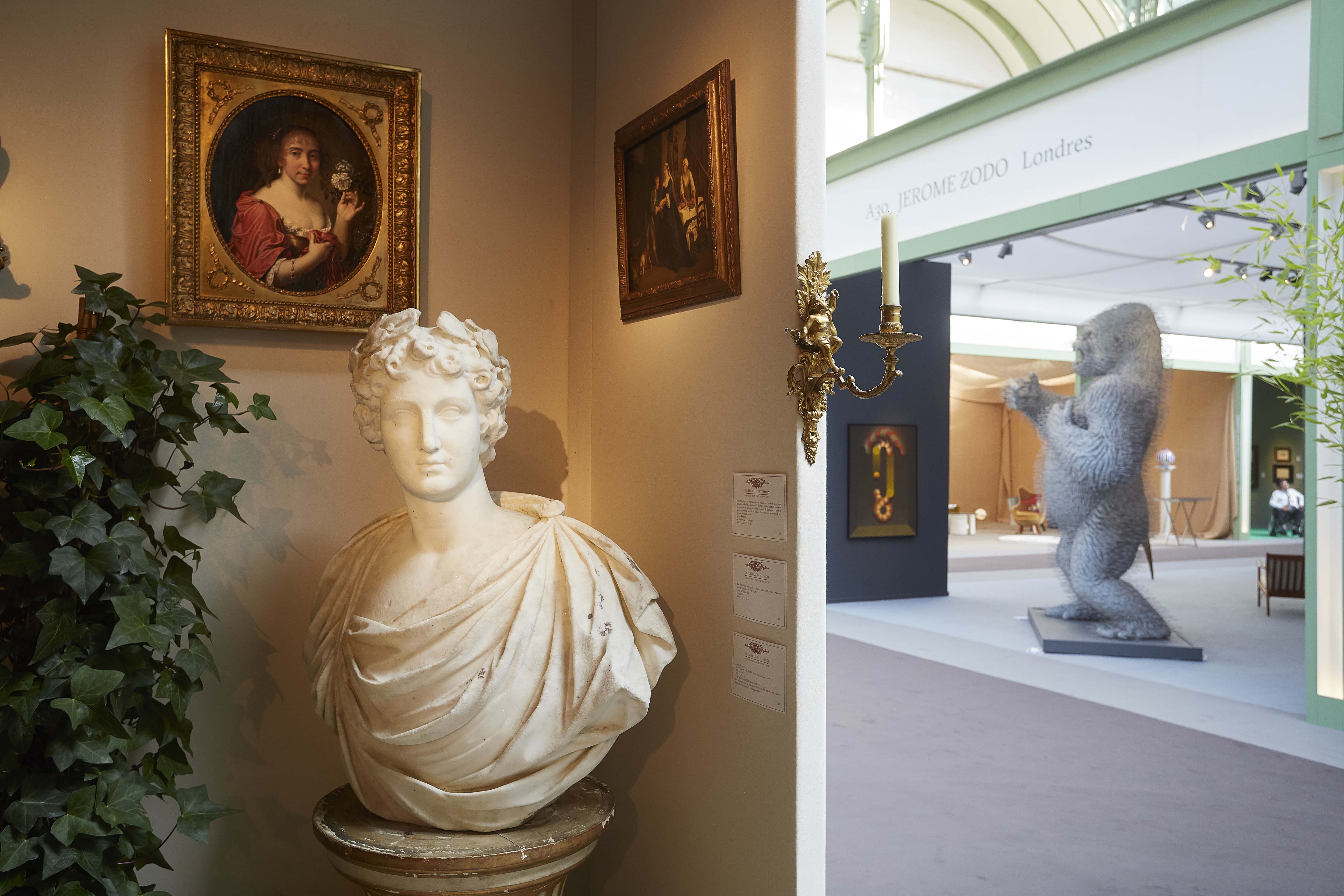

This November in Shanghai, the sixth edition of West Bund Art & Design will bring together 97 leading galleries from 18 countries across Asia, Europe, North America, and Oceania. Works included range from early twentieth-century modern art to contemporary art, and cover a range of media, from paintings and sculptures to moving images and installations.
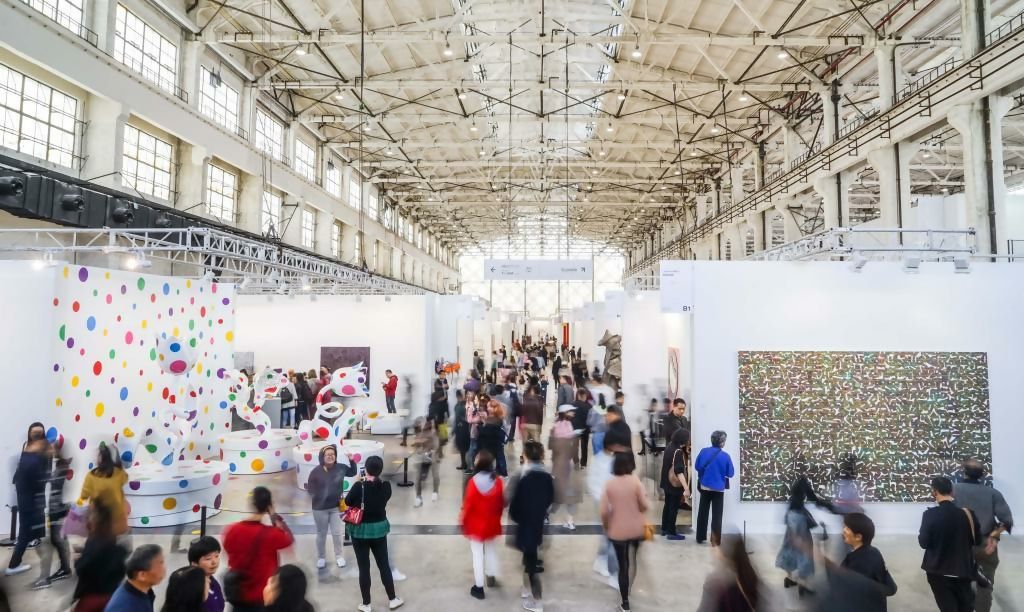
▲West Bund Art & Design
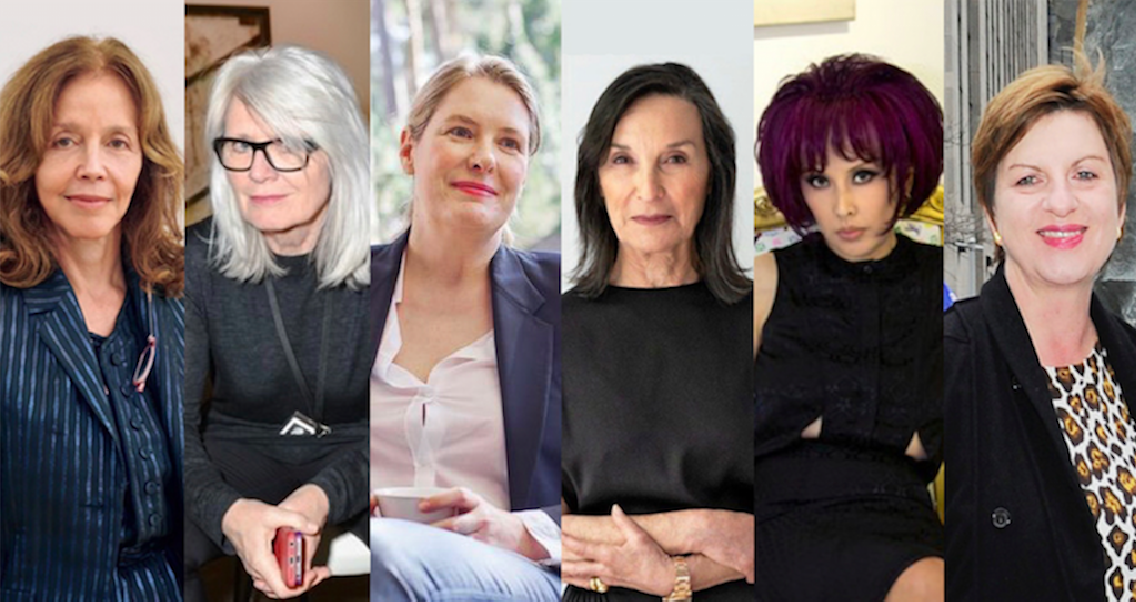
Gender subject continues to highlight female power in the art world. From this year's West Bund Art & Design attendee list, we also found numerous outstanding female gallerists who are about to bring amazing artworks from all directions to Shanghai. Some of these twenty-first-century female gallerists have been driving change and impacting the landscape for over 30 years. Others have supported young artists all around the globe and continued to inject new vitality into the art scene.
1. Barbara Gladstone – the founder of Gladstone Gallery
Artists: Matthew Barney, Keith Haring, Huang Yong Ping, Guo Fengyi
The Gladstone Gallery is a leading contemporary art gallery that was established in 1980 by American art dealer and film producer, Barbara Gladstone. The gallery is based in two locations, New York and Brussels, and dedicated to a wide selection of artworks. Over the last 40 years, Gladstone has been focusing on contemporary art from an international and forward-looking perspective, while maintaining a friendly and welcoming presence that has also committed collectors.
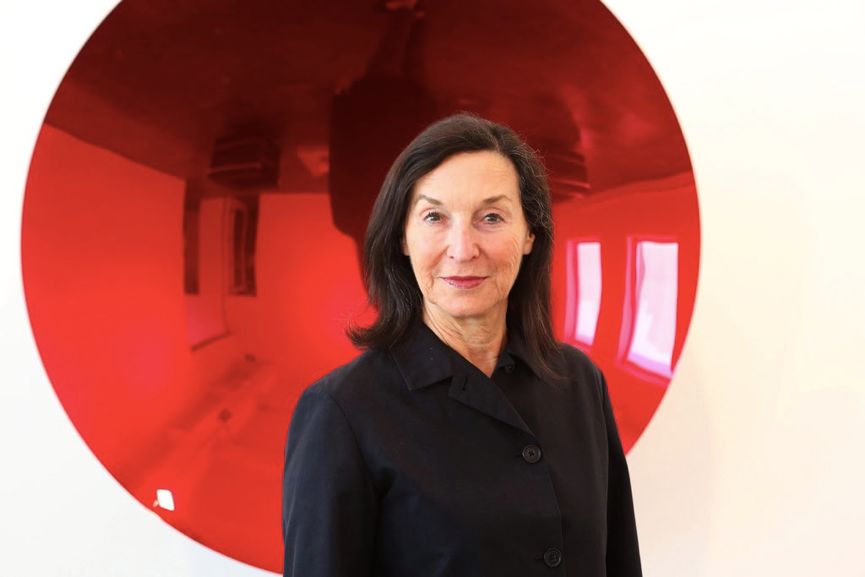
▲Barbara Gladstone
Barbara Gladstone is considered one of the most influential gallerists in the world, and the Gladstone Gallery has played a vital role in launching the careers of many established artists’ works, including Matthew Barney, Elizabeth Peyton, Anish Kapoor, Robert Mapplethorpe, Keith Haring, and more. The collection also encompasses a variety of media artworks, covering video, installation, painting and sculptures that expounds the issues of our society, and develops cultural discourse and interpretation of modern and contemporary art history.
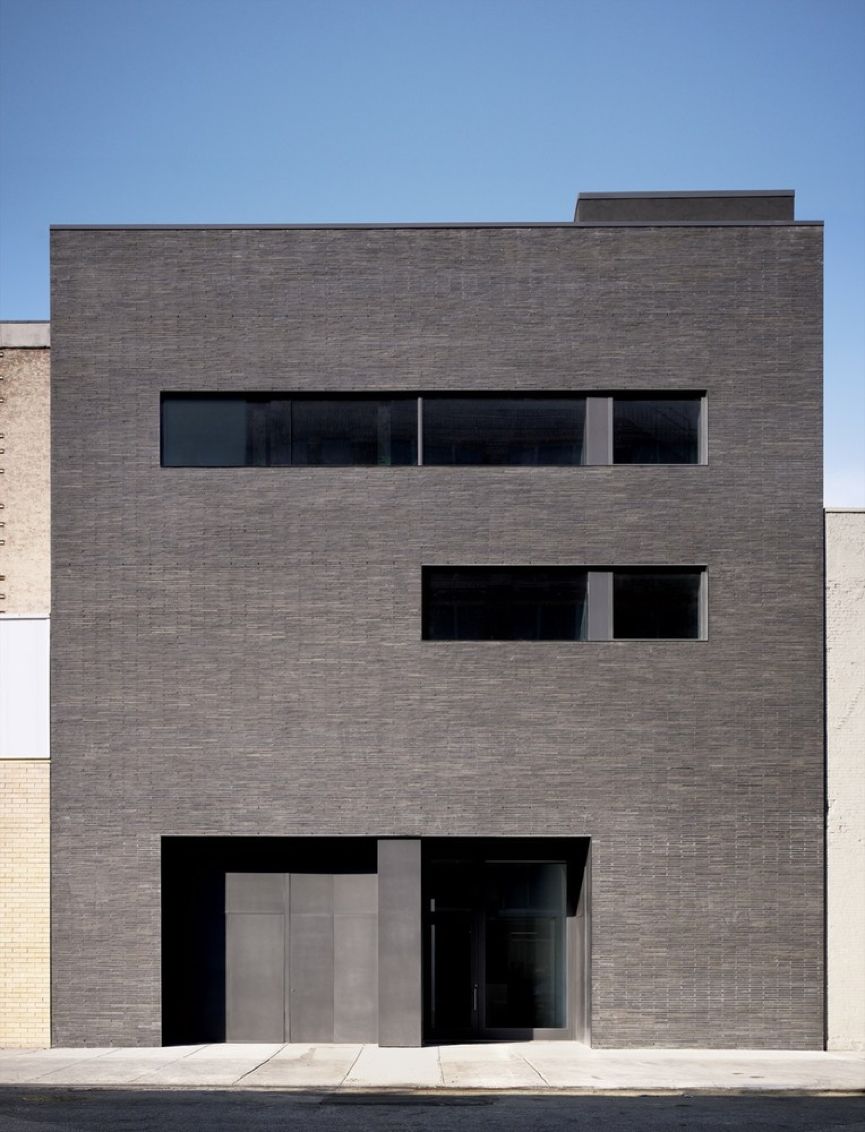
▲The Gladstone Gallery
In 1980, as a twice-divorced mother with three sons, Barbara Gladstone quit her art history professor’s job at Hofstra University and opened her first gallery in Manhattan. Apart from featuring diverse artwork collections of contemporary art, the gallery also represents major foundations and estates. It is worth mentioning that Gladstone has been dedicated to the promotion of Chinese artists in recent years, representing artists such as Guo Fengyi. This may signal a new transition of development with the gallery.
2. Philomene Magers & Monika Sprüth – the founders of Sprüth Magers
Artists: John Baldessari, Cindy Sherman, Thomas Scheibitz, Jenny Holzer
Founded in the 1980s and now present in Berlin, London, Los Angeles, Cologne, and Hong Kong, Sprüth Magers is one of the world’s leading galleries committed to exhibiting modern and contemporary art. Maintaining a close relationship with the studios and communities of German and American artists, the gallery produces art programs featuring a rigorously curatorial practice and a profound and long-term dedication to the artists it represents.
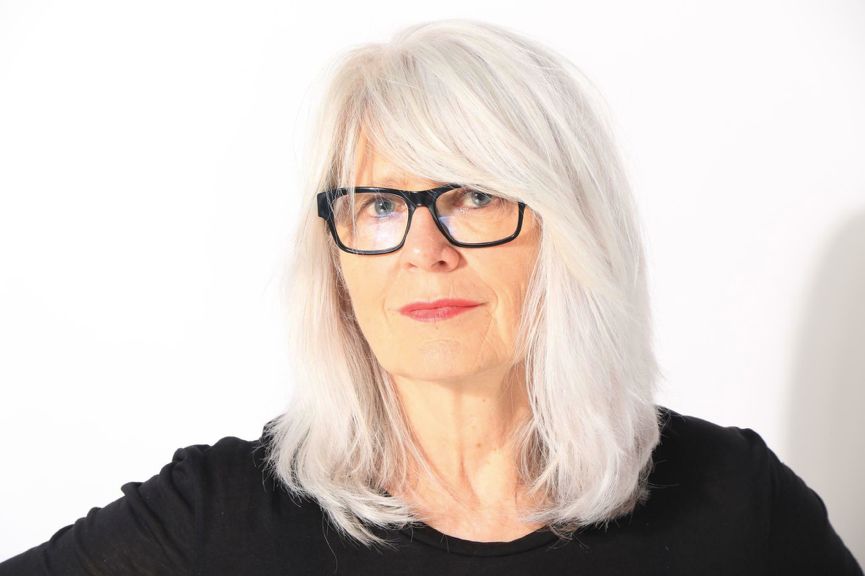
▲Monika Sprüth
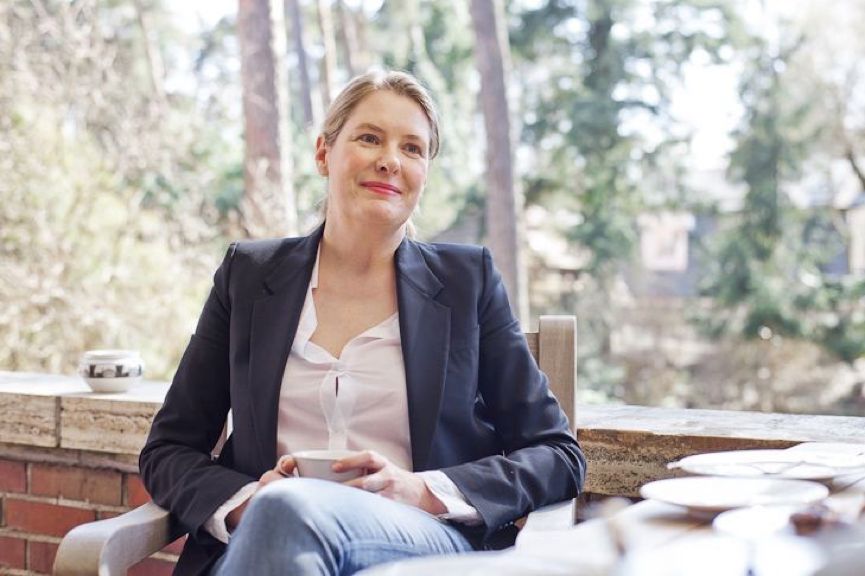
▲Philomene Magers
In 1983, Monika Sprüth opened the Monika Sprüth Galerie in Cologne as a showcase for artworks by women artists, while Philomene Magers started her first gallery, Philomene Magers Gallery, in 1991 to exhibit mainly female artists’ works such as photography and paintings. In 1998, the two galleries merged.
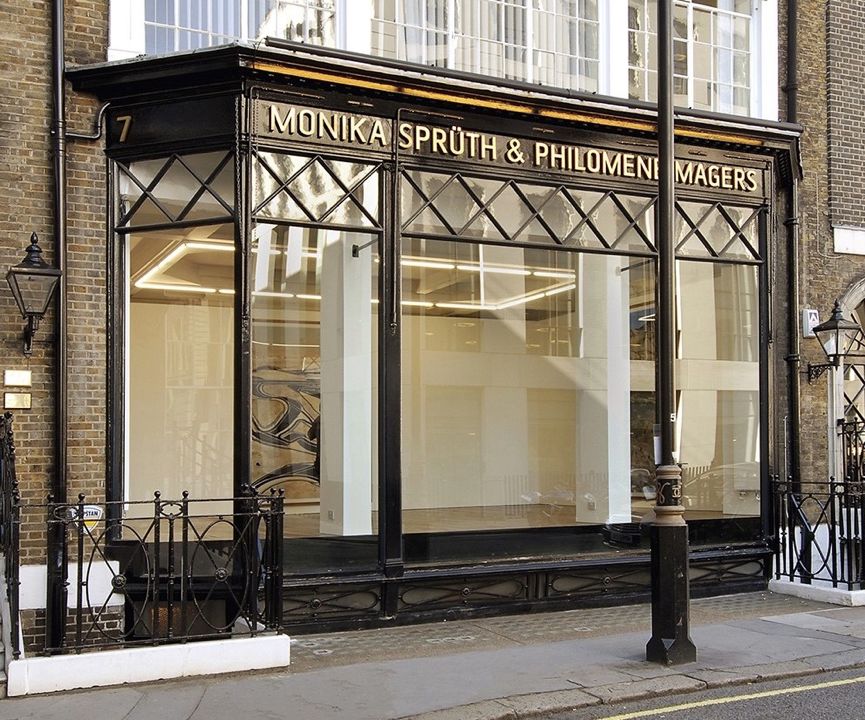
▲The Monika Sprüth Galerie
“When I opened the Monika Sprüth Galerie, only very few German gallerists represented women artists,” said Monika Sprüth (Frieze 2018).
But now, as Monika Sprüth also pointed out, it would be impossible to run a gallery without a single female artist. Sprüth Magers is supporting more than 60 artists, including Cindy Sherman, Jenny Holzer and others.
Most importantly, the gallery’s legendary exhibition “Eau de Cologne” (1985, 1987, 1989, and 1993) series of all-women exhibitions and magazines (1985, 1987, 1989) have raised constant awareness of women artists within the art world, and simultaneously played a significant role in academic research into female artists.The two females constantly appear in the Power 100 List by Art Review in recent years.
3. Eva Presenhuber – the founder of Galerie Eva Presenhuber
Artists: Doug Aitken, Peter Fischli & David Weiss, Douglas Gordon
In 1989, Eva Presenhuber founded the non-profit exhibition space Galerie Walcheturm in Zürich.
By 1996, Presenhuber was facing problems getting included in Art Basel, so she started to wonder if she could create a young art fair for new galleries. Convincing her colleague Peter Kilchmann, they worked together to found the LISTE art fair to run in parallel with Art Basel, which offers a more affordable platform through which young dealers can gain visibility, as well as setting up a collector base.
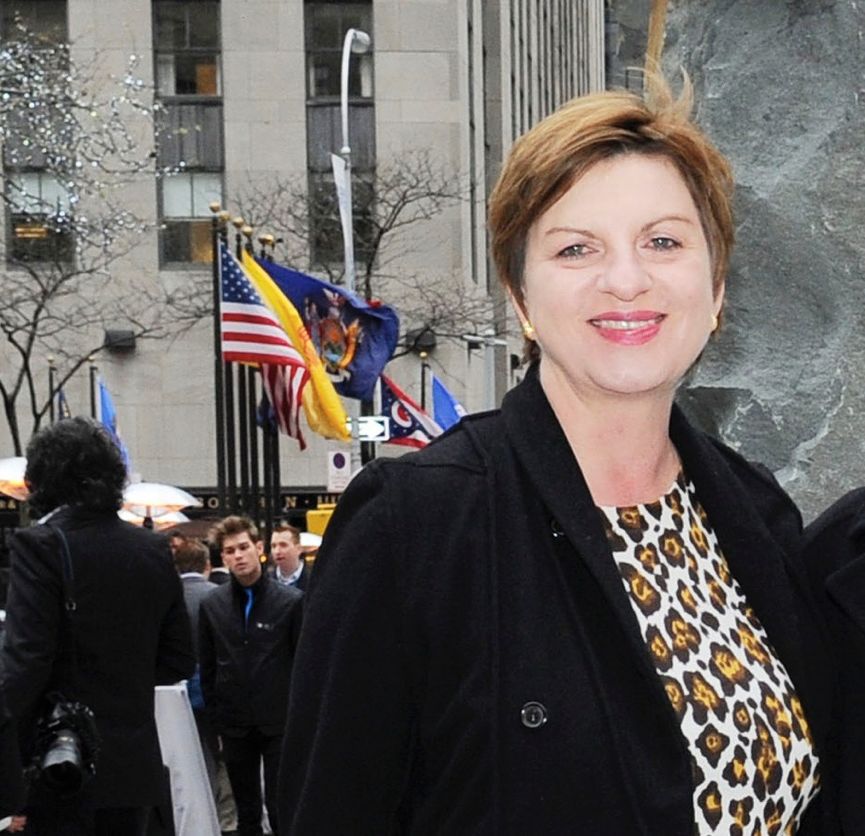
▲Eva Presenhuber
After a five-year partnership with Hauser & Wirth, Eva Presenhuber established her first gallery, Galerie Eva Presenhuber, in Zürich in 2003 and New York in 2017, featuring artists like Doug Aitken, Peter Fischli & David Weiss, and Douglas Gordon.
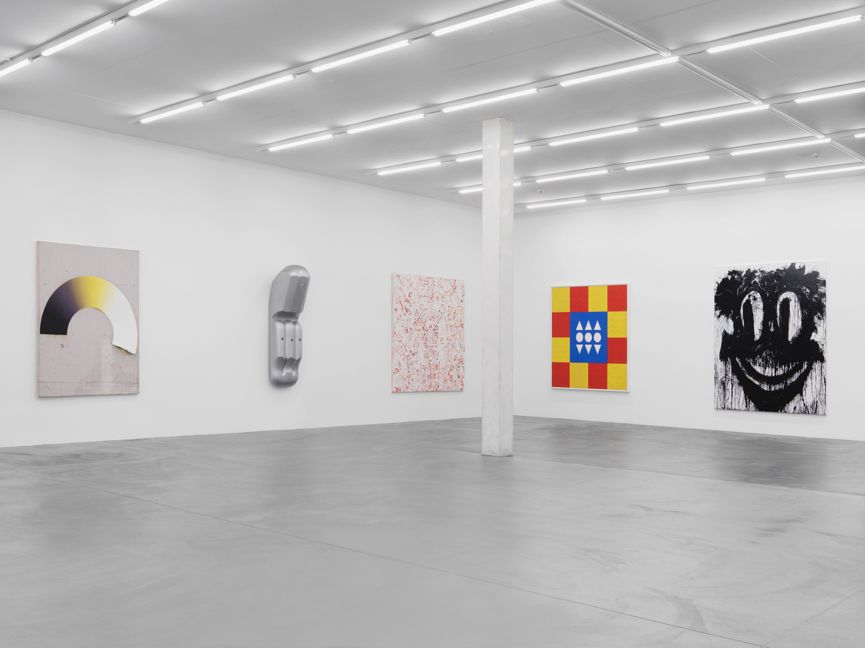
▲Galerie Eva Presenhuber
Today, as one of Europe’s most prestigious art dealers, Presenhuber aims to be a gallerist for an increasingly international and intergenerational scope of contemporary art, and to support both historical and current discourses in line with contemporary art. That’s why the gallery is renowned for its museum-quality exhibitions.
4. Rachel Lehmann – the founder of Lehmann Maupin
Artists: Kader Attia, Hernan Bas, Ashley Bickerton, Heidi Bucher
In 1996, Rachel Lehmann and David Maupin established Lehmann Maupin, representing a wide variety of artists, including both emerging talents and well-known artists. With its locations in New York, Hong Kong, and Seoul, the gallery offers unique exhibition space in the light of different media and different environments.
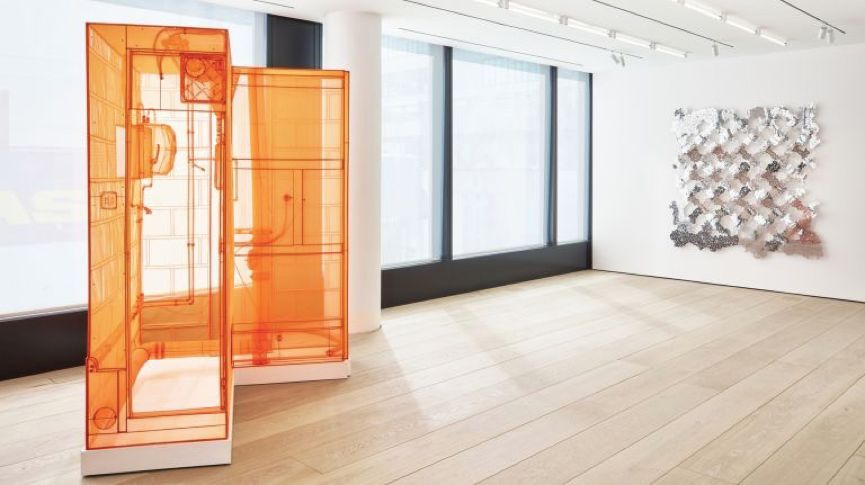
▲Lehmann Maupin
As a female gallerist, Rachel Lehmann is an international citizen of the globe. Lehmann was born in Asmara, Ethiopia, and after attending the University of Fribourg, she worked at New York’s legendary Sonnabend Gallery. Lehmann then opened two contemporary galleries in Geneva and Lausanne, Switzerland, where she demonstrated the flair and imagination of such young artists as Jeff Koons and David Salle. In addition to this, the great female art dealer has also served on the International Council of the Solomon R. Guggenheim Museum (New York).
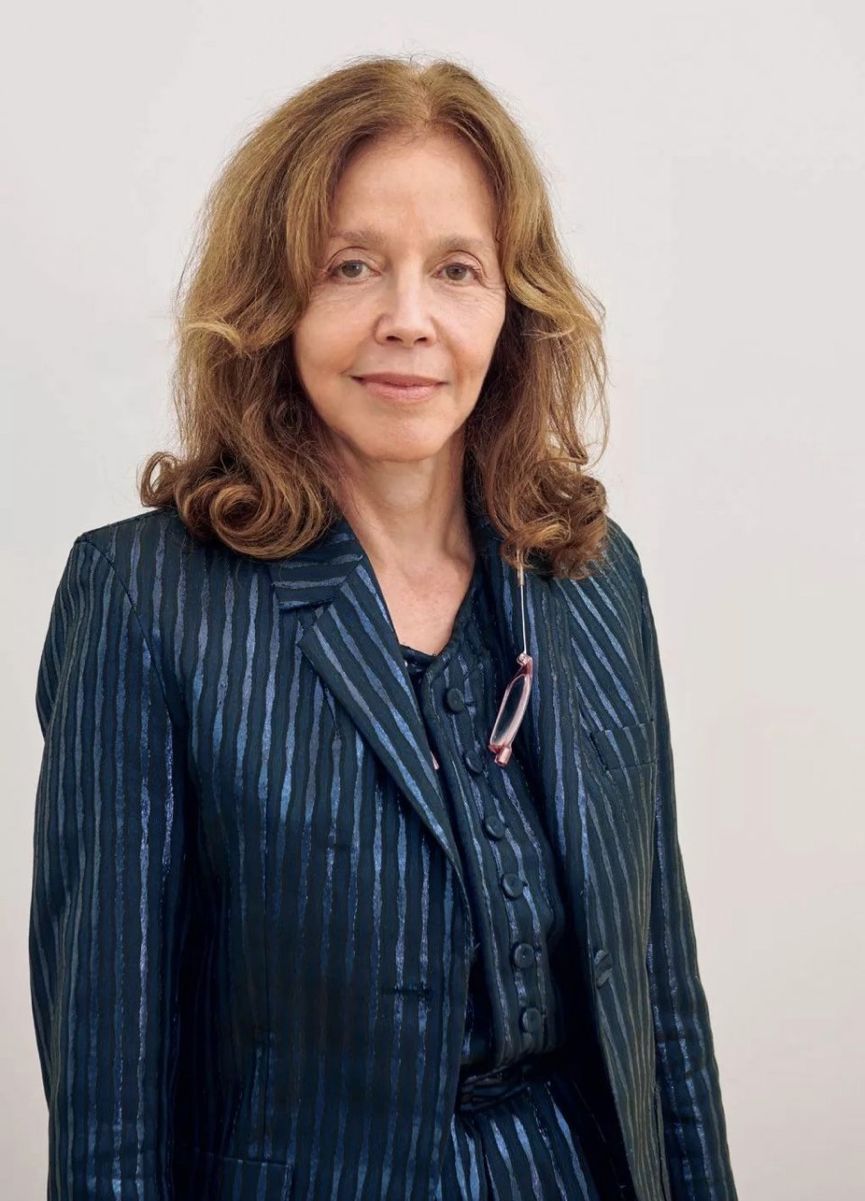
▲Rachel Lehmann
Lehmann Maupin is considered a global and powerful art hub of the world, maintaining creative and friendly support to artists, as well as hosting diverse and groundbreaking exhibitions integrated with the topics of gender, ethnicity, class, religion, history, and politics.
5. Pearl Lam – the founder of Pearl Lam Galleries
Artists: Su Xiaobai, Zhu Jinshi, Zhou Yangming, Antony Micallef
Pearl Lam Galleries was founded by Hong Kong-born international gallerist Pearl Lam and is dedicated to Chinese and Asian contemporary art from an international perspective. The gallery has been running for 27 years as a showcase for distinct programs from major solo exhibitions, projects, and installations, with a special focus on the contemporary abstract art of China. Through its crucial cultural practice, the gallery represents an influential and international roster of Chinese artists such as Su Xiaobai and Zhu Jinshi’s, resulting in their works being included in major private and public collections around the world.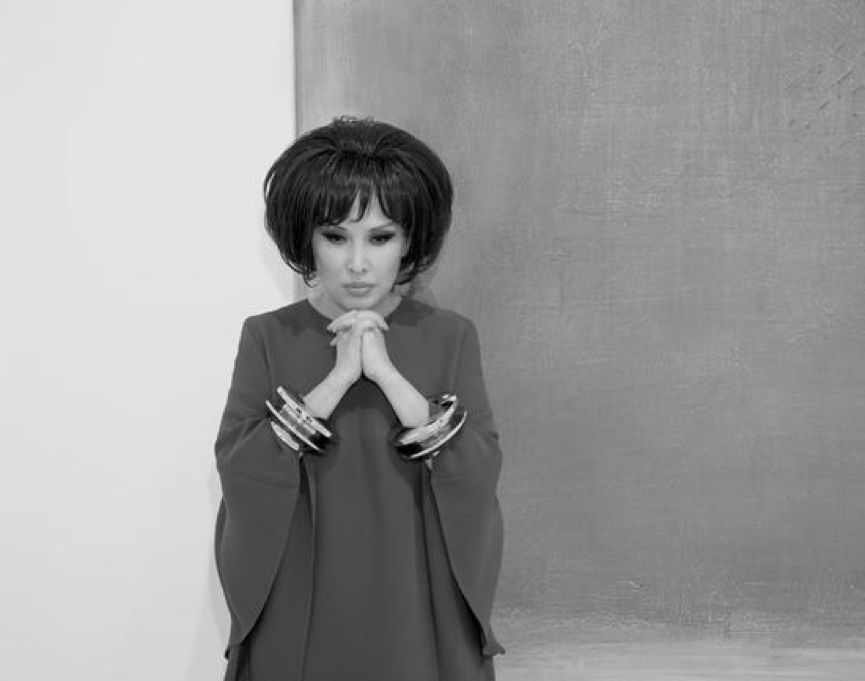
▲Pearl Lam
Born in Hong Kong, Lam is the daughter of Lim Por-yen, a Hong Kong real-estate magnate, owner of the Lao Sun Group. After completing her accountancy and law studies in the United States and the United Kingdom, Lam returned to Shanghai to help with her family’s business. During that time, Lam soon developed a strong interest in Chinese contemporary art.
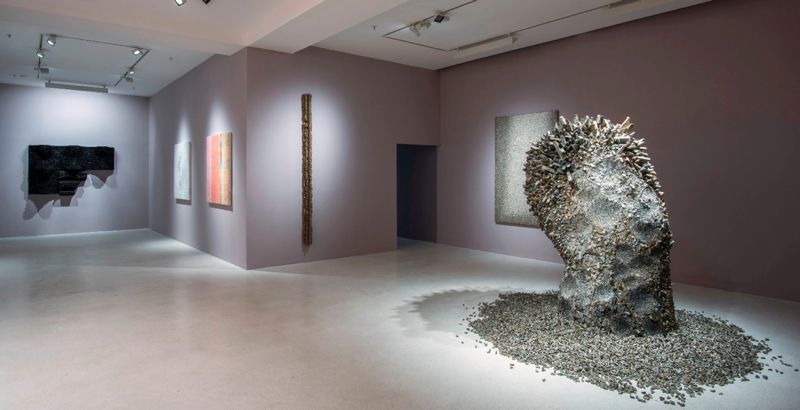
▲Pearl Lam Galleries H Queen‘s space
In 1992, she opened her first gallery, the Contrast Gallery, which was the first art institution to showcase the diversity of Chinese contemporary artworks of the world.
In 2012, Lam started her chain of legendary Pearl Lam Galleries in Hong Kong, and in other outposts in Shanghai and Singapore. Over the years, Lam has become a powerhouse gallerist, stimulating international dialogue on Chinese and Asian contemporary art and playing a vital role in cultural exchange between East and West.

Translation: Kirsten Wang