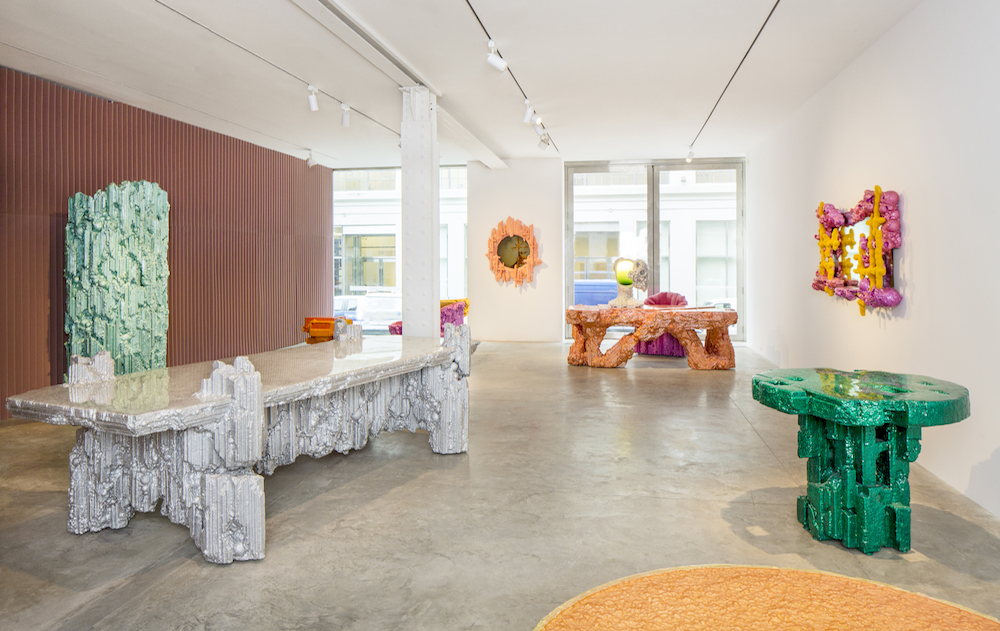

The highly anticipated seventh edition of the ART021 Shanghai Contemporary Art Fair will take place from 7th to 10th November at the Shanghai Exhibition Center. 110 of the world’s leading galleries from 18 different countries and 57 different cities were selected to present contemporary art and design from established and emerging artists.

In a comparatively young market, the art fair endeavors to break down the boundaries between fine art and people’s daily lives. One of the highlights of this year’s ART021 is the increasing number of contemporary design art galleries, which include Carpenters Workshop Gallery, Friedman Benda and many more. Their presence is anticipated to encourage active engagement between the fair visitors and the more approachable works, according to the fair organizers.
A week before the fair opening, we invite Marc Benda, the founder of Friedman Benda, a newcomer at ART021, to join us and discuss his expectations of the fair and Chinese market. He also tells stories about the many facets of his gallery and offers advice to Chinese collectors who want to purchase design artworks.
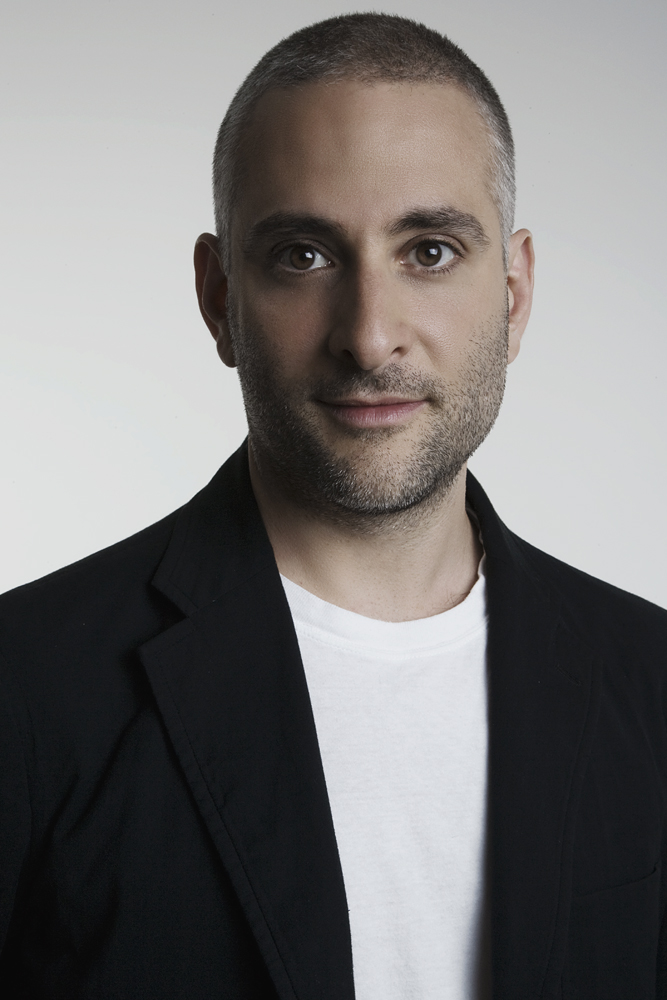
▲Marc Benda, founder of Friedman Benda
Founded in 2007, Friedman Benda is an international, multi-generational roster for key narratives which intersect the fields of contemporary design, craft, architecture, visual and conceptual art, and cutting-edge technological research, which focuses on both established and emerging designers.
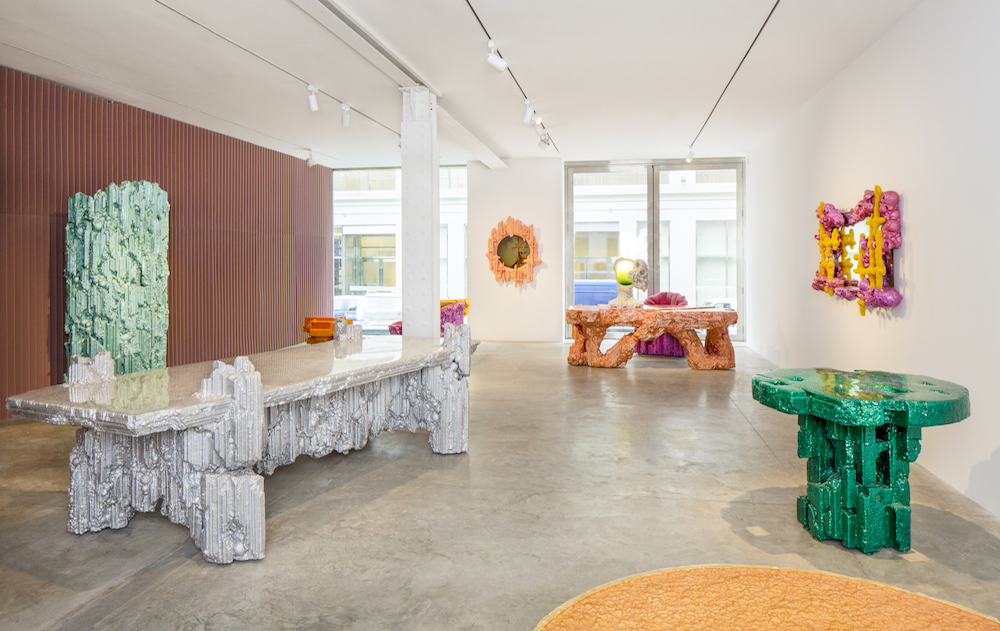
Friedman Benda interior space
Courtesy of Friedman Benda and Chris Schanck
Photography by Daniel Kukla
Through joining ART021, Benda hopes to offer an up-close and concrete view of the most important design presented by the gallery to a wide range of Chinese audience. The gallery will showcase diverse artwork collections from some of the most established designers in the world, while at the same time presenting some of the most exciting talent which the gallery recognises as rising stars, including Chris Schanck, Misha Kahn, Marc Newson and others.
Benda adds that contemporary art dialogue has been moving more towards a convergence of disciplines and practices. The most significant change is the depth of collectors within the design market. The design art market, despite its small size, involves a large number of major collectors and museums wishing to acquire works. Therefore, Friedman Benda’s idea is to bring both functional furniture and sculptural design works to ART021, and this will offer artworks with both decorative and collective orientations to be viewed by visitors, and features artists such as Ron Arad and Wendell Castle.
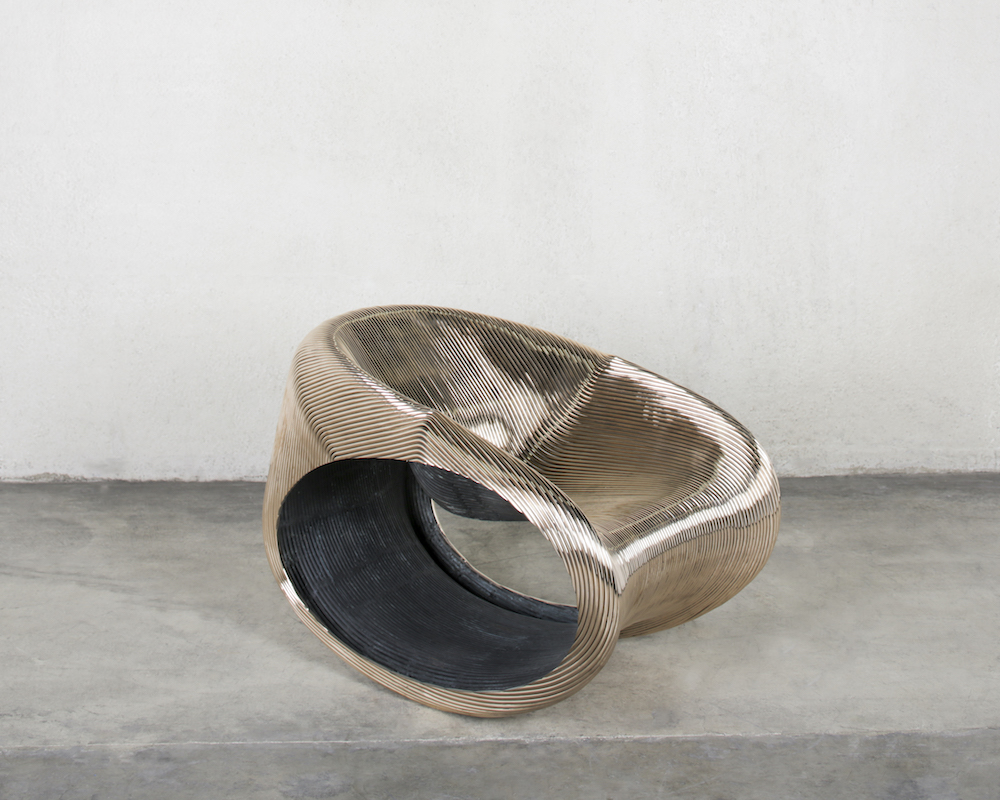
Ron Arad [British, b. 1951]
MT Rocker, 2005
Bronze
73.7 x 85.1 x 101.6 cm
Edition of 6
Courtesy of Friedman Benda and Ron Arad Photography by Dan Kukla
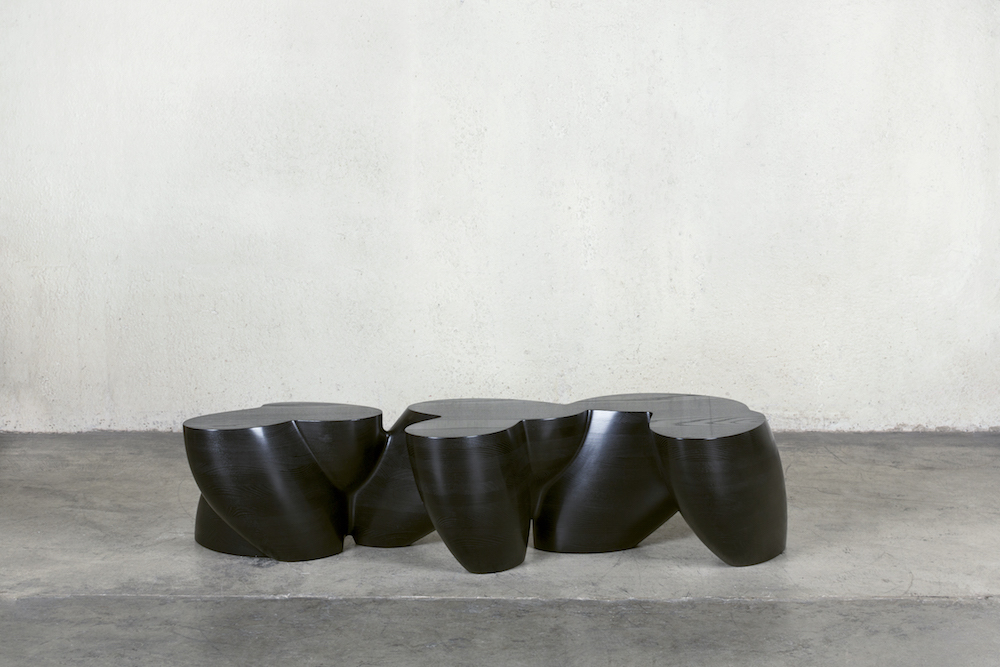
Wendell Castle [American, 1932-2018]
Tomorrow Will Come, 2012
Stained Ash
41 x 175.9 x 62.2 cm
Edition of 3
Courtesy of Friedman Benda and Wendell Castle Photography by Daniel Kukla
“Ron Arad and Wendell Castle are designers who are written into history. There is a very limited supply of their best works. The greatest potential is to bring them into a new context, both in terms of the environment and the artworks they are in dialogue with,” Says Benda.
Benda considers that even works which are made using a computer or machine-aided methods need to be finished by hand and with certain human know-how. The human element is of great importance and people need to retain that knowledge. The French sociologist, Mauss Marcel believes that peoples’ education, the society to which they belong, as well as the place they occupy in it, all dominate their assembled actions. Artificial supports, such as pillows or chairs, are mostly viewed as significant due to their association with culture and history. However, the scientific concerns may represent a sign of a lack of efficiency. The idea of comfort is dictated by people’s various lifestyles and cultures and these ingredients influence the ways in which people live and work. In addition to human beings, even outdoor sitting or standing habits based on different terrain and vegetation vary according to different regions of the world. The scientific makeup may neglect the cross-cultural aspect.
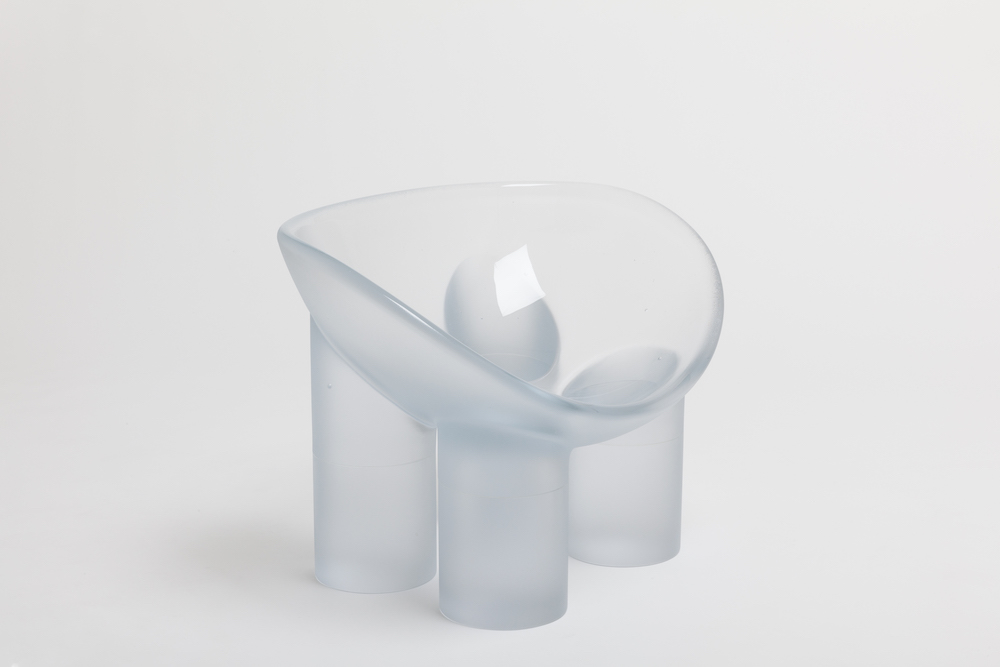
Faye Toogood [British, b. 1977]
Roly-Poly Chair / Water, 2016
Lithium-barium crystal
61 x 85 x 59 cm
Edition of 8
Courtesy of Friedman Benda and Faye Toogood Photography by Angus Mill
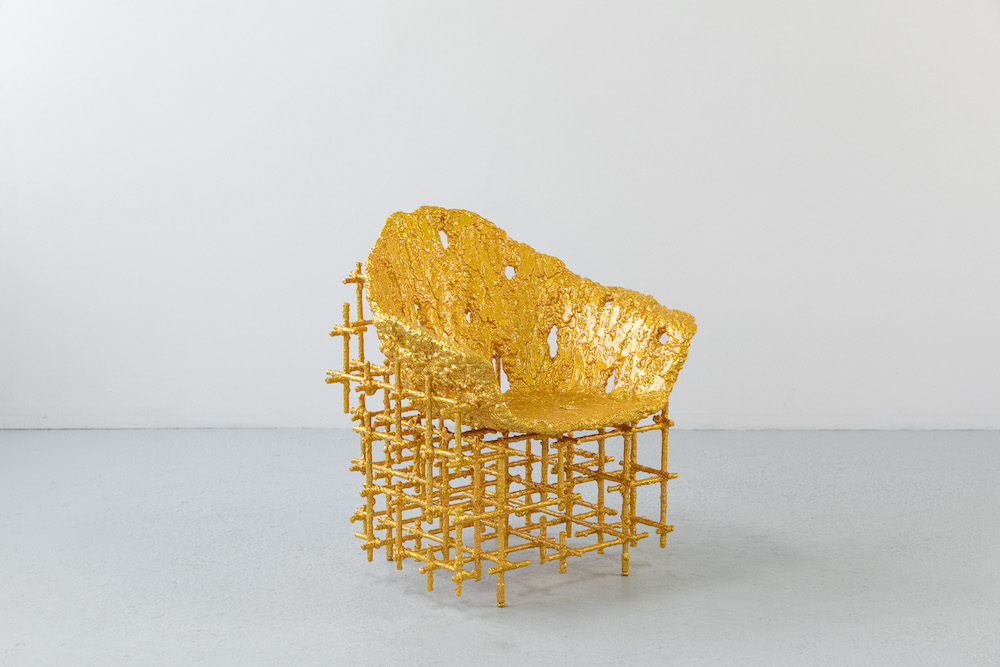
Chris Schanck [American, b. 1975]
Shell Chair: Red Gold, 2019
Steel, polystyrene, polyurea, aluminum foil, resin 101 x 79 x 79 cm
Courtesy of Friedman Benda and Chris Schanck Photography by Michelle and Chris Gerard
In order to properly represent design which is truly fresh, humane and of great quality, Benda insists: “The gallery has to keep searching for the best artisans while also keeping on top of intellectual developments.There are two big challenges when running a design art gallery: one is often recognised as finding great designers, and the other one is also basically recognised as producing work at a level of quality which the gallery expects for its collectors.
“Design is a very difficult discipline because you have to be a great artist and a great creator at the same time. You are competing with the art market and some of the most pre-eminent thinkers and creators of 20th century design history.”
However, Benda says that the advantage of a design gallery is that it is still a relatively young market. Being rigorous about every programme and not compromising on the quality of displayed artworks are both great ways to ensure that the design art gallery can achieve a strong position in the market.
When asked if he has any new tips for investing in art, Benda says: “It is the same advice as when buying art: only invest in the best. Buy according to your own taste and make your own decisions. Be willing to learn.” There are many well-educated and preeminent collectors within the Chinese art market, and they have become a major force in the global market. It may take some time for Chinese collectors to fully activate their design art market and to properly see design as an art form.